
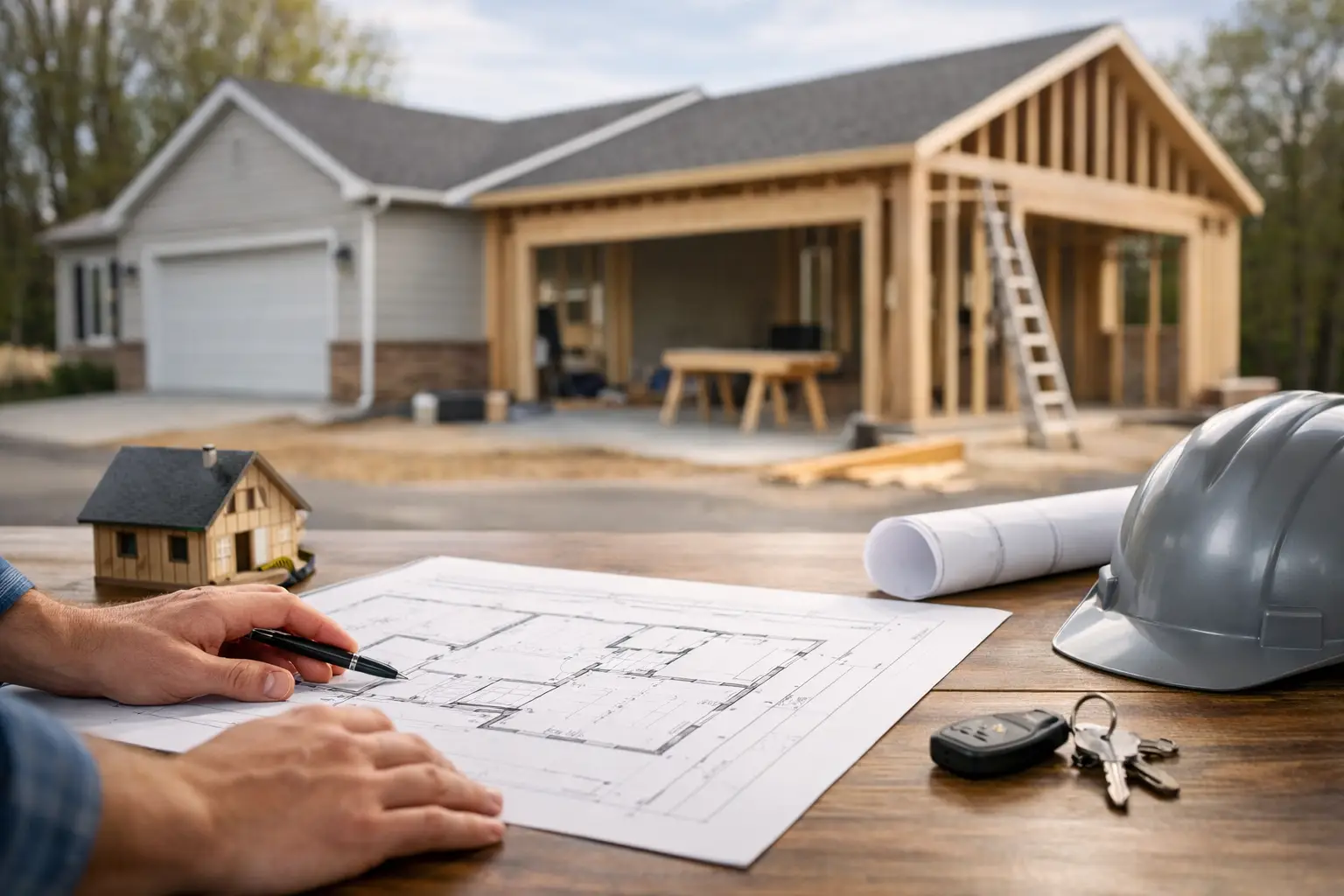
If your current garage is too small, poorly placed, or missing altogether, the temptation is to jump straight to sketches and contractor calls. A better first step is a garage addition planning guide that helps you sort out function, fit, cost, and feasibility before you spend money on design work that may need to be redone.
Garage additions look simple from the street. In practice, they raise some of the same planning questions as any major addition. Where should it connect to the house? How much space do you really need? Will it make the front of the home look garage-heavy? Can the lot support the footprint, driveway, grading, and setbacks? Those questions are much easier to answer early than after plans are underway.
Why a garage addition needs thoughtful planning
Homeowners often think of a garage as a basic utility space, but it has an outsized effect on the way a property works. It changes circulation, curb appeal, storage, and sometimes the entire front elevation of the home. A poorly planned garage addition can make a house feel unbalanced or create awkward interior connections that you notice every day.
This is also one of those projects where square footage alone does not tell the whole story. A two-car garage on paper may not function like a true two-car garage if the doors are too narrow, the depth is too tight for larger vehicles, or there is no room for trash storage, tools, or a freezer. Homeowners frequently underestimate how much daily use gets packed into this one part of the house.
Thoughtful planning is what separates a garage that simply exists from one that actually improves the home.
Start with the real purpose of the project
Before discussing dimensions, it helps to define what problem you are solving. For some families, the goal is protected parking. For others, it is storage, a workshop, mudroom access, attic space above, or a future bonus room. Those are very different projects even when they all begin with the words garage addition.
A common planning mistake is trying to make the garage do everything without acknowledging the trade-offs. If you want two SUVs, built-in storage, a workbench, and interior stairs to space above, the footprint changes quickly. If the lot or budget is limited, you may need to prioritize which uses matter most.
That early clarity helps every later decision. It affects location, roof design, door placement, foundation cost, and whether the addition should be attached or detached.
Attached or detached depends on more than preference
One of the biggest decisions in any garage addition planning guide is whether the garage should connect to the house. Many homeowners assume attached is the obvious answer because it is more convenient. Sometimes it is. Sometimes it creates design problems that a detached or linked structure avoids.
An attached garage usually works best when there is a natural point of connection that does not disrupt the existing floor plan. A side entry, mudroom, or kitchen-adjacent connection often makes sense. But if the only way to attach the garage is to overpower the front of a modest house or create a long, awkward hallway inside, the convenience may come at too high a cost.
A detached garage can preserve the architecture of the main house, work better on irregular lots, and create more flexibility for future use. The downside is less convenience in bad weather and, in some cases, added site work. There is no universal right answer here. The lot, the house, and the intended use need to be considered together.
Size planning is where many projects go off course
It is common to hear, “We just need a two-car garage.” That sounds specific, but it really is not. Vehicle size, door swings, storage needs, and circulation all matter. A garage that technically fits two cars may still be frustrating to use every day.
Good planning looks beyond the minimum. Think about how you open doors, where bikes and lawn equipment will go, whether you need a service door, and how you will move from the garage into the house carrying groceries, backpacks, or mobility equipment. If one household member uses the space as a hobby area, that matters too.
This is also the point where future needs deserve some attention. A homeowner planning to stay long term may want room for aging in place features, easier entries, or a wider path into the home. Someone with teens may be thinking about storage overload in just a few years. Building slightly better at the start is usually less expensive than rebuilding later.
Make sure the addition fits the house
A garage can add value, but only if it looks like it belongs. One of the more expensive mistakes homeowners make is focusing so heavily on function that they ignore proportion, rooflines, window placement, and how the addition changes the visual balance of the home.
This matters most with front-loaded garages. If the garage becomes the dominant feature from the street, the house can lose character. On some homes, a side-entry garage or a setback placement works better. On others, the design needs stronger architectural elements so the garage feels integrated rather than pasted on.
The same principle applies to roof shapes, trim details, siding transitions, and how the garage meets the existing structure. Additions generally look best when they respect the original house rather than competing with it. That takes planning and restraint.
Site conditions and zoning can shape the project early
Many garage ideas look fine until the lot enters the conversation. Setbacks, easements, lot coverage limits, drainage patterns, slope, utilities, and driveway layout can all affect what is possible. This is where homeowners often discover that the best-looking concept is not the easiest one to build.
Driveway design is especially important. A garage addition that creates difficult backing movements, poor visibility, or an oversized expanse of pavement may solve one problem while creating another. Corner lots, narrow side yards, and steep grades deserve careful review before design assumptions harden.
Permitting requirements also vary by location. Some jurisdictions are straightforward. Others have stricter rules about detached structures, height, stormwater, fire separation, or living space above garages. That is one reason early feasibility review is so valuable. It helps you avoid investing in a concept that may not survive local review.
Budgeting for the full project, not just the box
Garage additions can appear easier to price than living space additions, but there are hidden variables. Site work, retaining walls, foundation conditions, driveway changes, electrical upgrades, interior connection work, and exterior finish matching can move the budget more than homeowners expect.
The garage itself may be only part of the real cost. If you need a mudroom transition, a reworked entry, new stairs, or structural changes where the addition ties into the house, the budget needs to reflect that. If there is future finished space above the garage, that adds another layer of structural and planning decisions even if the space is not completed immediately.
It helps to think in terms of project range rather than single-number expectations. Early planning should identify likely cost drivers so you can decide whether the concept still makes sense before moving into full design.
Your garage addition planning guide should include daily use
The most successful garage additions are not just buildable. They make everyday life easier. That means thinking about how you arrive, unload, store, and move through the house.
Ask simple but revealing questions. Where will wet boots go? Is there room for recycling bins without blocking doors? Can kids come in without dumping everything into the kitchen? Will the garage entry feel safe and well lit? If the garage includes steps, are they where you want them? These are practical details, but they shape satisfaction more than many homeowners realize.
A good plan also considers noise, fumes, and separation from living areas. The connection between garage and house should be convenient without feeling careless. Convenience matters, but so does protecting the quality of adjacent interior space.
Who to talk to before hiring a contractor
This is often where homeowners get pulled too quickly toward construction conversations. A contractor may be helpful, but if you are still deciding what should be built, where it should go, and whether it makes sense at all, you may need independent advice first.
Early planning works best when someone is looking at the whole decision objectively. That can include layout logic, site constraints, architectural fit, and budget implications before anyone starts selling a specific solution. For many homeowners, this stage is where a strategy session or second opinion provides the most value, because it clarifies direction before design fees and bids start to accumulate.
If you do move forward with design professionals or builders, you will be in a much stronger position when you can explain your priorities clearly and understand the trade-offs yourself.
A garage addition can be a smart investment, but only when it solves the right problems in the right way. The best projects rarely begin with construction. They begin with careful questions, realistic expectations, and a plan that respects both the house you have and the way you actually live in it.