
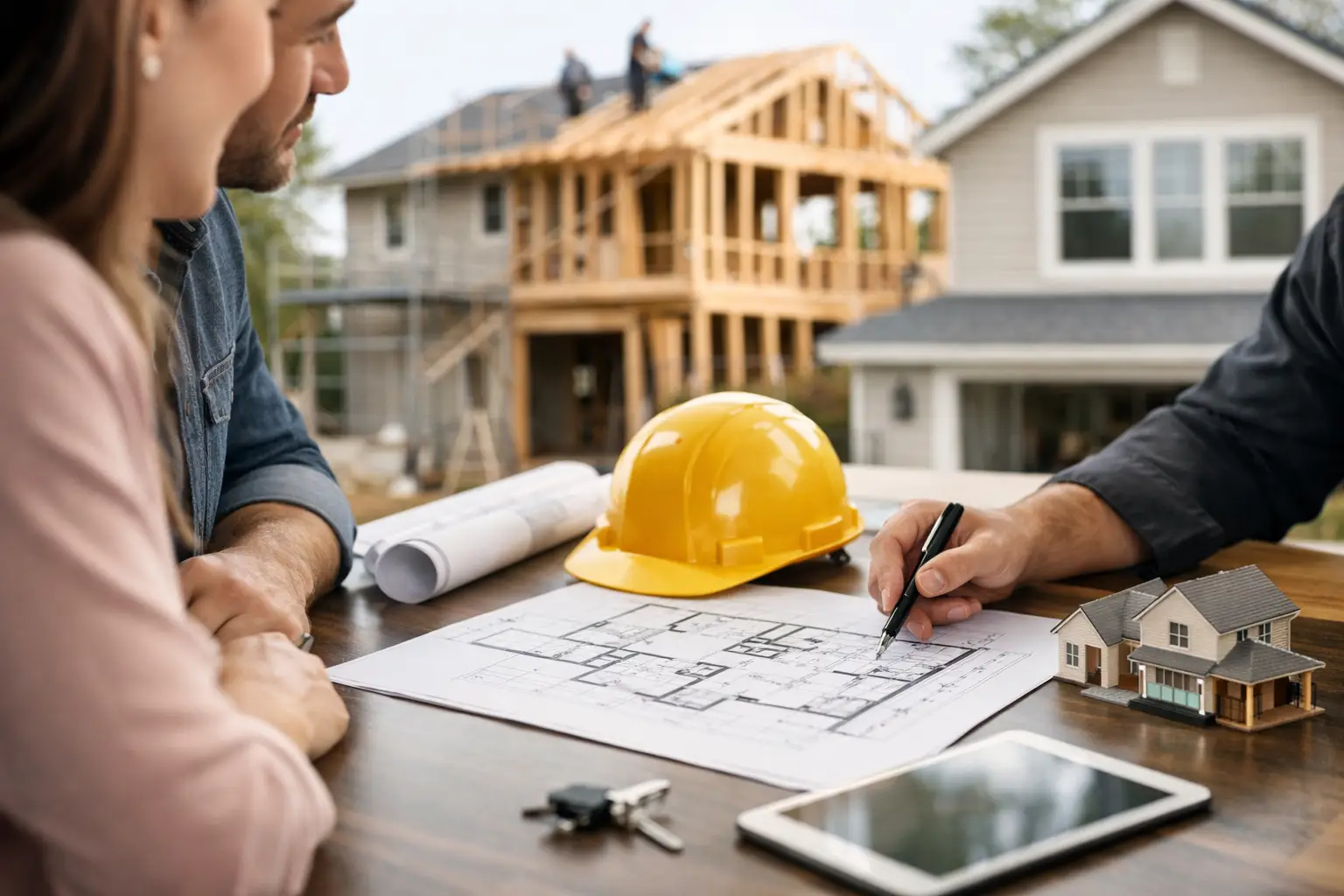
A lot of expensive home addition mistakes happen before the first contractor is ever called. Homeowners often start collecting bids when they still have basic unanswered questions about size, layout, budget, zoning, or even whether an addition is the right move at all. If you are thinking about what to do before hiring for home addition work, that early planning stage is where the biggest savings and best decisions usually happen.
After decades of designing and building additions, one pattern shows up again and again. People focus on who to hire before they are clear on what they are trying to accomplish. That sounds harmless, but it can lead to plans that solve the wrong problem, bids that are impossible to compare, or projects that cost far more than expected.
Before Hiring for Home Addition, Start With the Real Problem
Most homeowners begin with a space problem, but not always the right definition of it. They say they need 500 more square feet, a second story, or a bigger kitchen. Sometimes that is true. Sometimes the real issue is traffic flow, storage, privacy, or poor use of existing rooms.
That distinction matters because adding space is expensive, and the wrong addition can leave you with a larger house that still does not work well. A thoughtful planning process starts by asking better questions. What is not working now? Which rooms feel undersized or disconnected? Is the goal daily convenience, long-term aging in place, room for family, or resale value?
A good project roadmap comes from function first, square footage second. The best additions do not simply make a house bigger. They make it work better.
Know Whether You Should Add On at All
Not every house is a strong candidate for an addition. Some properties have zoning limitations, setback issues, easements, septic constraints, steep grades, or awkward lot conditions. Others can technically support an addition but only with structural work that changes the economics of the project.
There is also the bigger question many homeowners avoid for too long: should you move instead? That is not a defeatist question. It is a practical one. If the house needs major reconfiguration, if the lot is tight, or if your neighborhood will not support the investment, an addition may not be the best answer.
This is where independent advice is valuable. Before you pay for full plans or commit to a design direction, it helps to get an experienced feasibility review. You want to understand what is realistically possible on your home and site, and what trade-offs come with each option.
Define Scope Before You Ask Anyone for Numbers
One of the most common planning mistakes is asking, “What would this cost?” before defining what “this” actually is. A family room addition can mean many different things depending on foundation type, roof shape, ceiling height, window design, HVAC needs, finish level, and how much existing space has to be altered to make the new area work.
That is why ballpark pricing varies so much, and why early numbers can be misleading. If one contractor imagines a simple rectangular addition and another assumes significant structural changes and custom finishes, their estimates are not measuring the same project.
Before asking for bids, get clear on your likely scope. That does not mean every detail must be finalized. It does mean you should have a thoughtful concept of size, layout, priorities, and how the addition connects to the existing home. Without that, pricing is guesswork.
The House Itself Should Shape the Plan
A well-designed addition should feel like it belongs. That is not just about curb appeal. It affects rooflines, proportions, window placement, floor heights, circulation, and the relationship between old and new spaces.
Some additions look awkward because the planning focused too heavily on square footage and not enough on architectural fit. Others create interior problems by forcing transitions that feel cramped, dark, or unnatural. A successful addition needs to work from both the outside and the inside.
This is especially important with older homes or houses that have a clear architectural character. The more your addition respects the original structure, the more natural and lasting the result tends to be. That may mean adjusting the footprint, simplifying a roof design, or giving up a few feet in one area to make the whole project work better.
Before Hiring for Home Addition Help, Decide Who Should Come First
Homeowners often ask whether they should hire an architect, designer, design-build firm, or contractor first. The answer depends on the project, but the sequence matters more than many people realize.
If you start with the wrong professional at the wrong time, you can end up moving too quickly into drawings before key feasibility and budget questions are answered. Or you may get construction input before the project goals are clearly defined. Either situation can cost time and money.
For many homeowners, the smartest first step is not hiring the full design or construction team. It is getting independent guidance to evaluate options, clarify scope, and create a realistic plan for what should happen next. Once you understand the project better, you can make a more informed choice about whether you need an architect, residential designer, structural engineer, contractor, or some combination.
That early clarity also helps you ask better questions when you do begin interviewing professionals.
Budget Should Include More Than Construction
When people plan for an addition, they often focus on contractor cost and overlook everything around it. Design fees, engineering, permits, surveys, site work, utility adjustments, finish selections, and temporary living disruptions can all affect the real budget.
There is also a difference between what a homeowner hopes to spend and what the project is likely to require in their market. Those numbers are not always close. If your budget and your goals are far apart, it is better to learn that early, while you still have room to adjust scope, phase the work, or reconsider priorities.
A realistic budget is not meant to discourage you. It gives you a decision-making framework. It tells you whether to simplify, expand, postpone, or proceed with confidence.
Comparable Bids Require Comparable Plans
Many homeowners believe getting three bids will automatically tell them the right price. It rarely works that cleanly. Bids are only useful when each contractor is pricing the same work, with the same assumptions, and a similar level of detail.
If your plans are vague, allowances are unclear, or site conditions have not been thought through, every contractor fills in the blanks differently. One bid may look lower simply because more has been left out. Another may be higher because that contractor is anticipating problems the others ignored.
Good bid review starts before the bids arrive. The clearer the planning documents and project scope, the more meaningful the pricing will be. This is another reason early project planning matters so much. It protects you from making a major decision based on incomplete comparisons.
Pay Attention to Disruption, Not Just Design
A home addition is not just a design and budget exercise. It is a lived experience. Where will the family enter the house during construction? Will the kitchen be affected? Will children, pets, or aging parents be in the home? How long will weather exposure or utility interruptions be a concern?
These practical issues do not always change whether you build, but they may change how you plan. Sometimes a different connection point, phased approach, or modified layout can reduce disruption without sacrificing the end result. That kind of thinking tends to happen early, not after the contract is signed.
The Best Early Questions Are Often the Hard Ones
Before moving forward, ask yourself a few honest questions. Are you trying to solve the right problem? Does the house support the kind of addition you want? Is your budget aligned with your goals? Have you thought through how the new space should feel, not just how large it should be?
And perhaps most important, are you making decisions based on pressure to get started, or based on clear thinking? Homeowners often feel they need to act quickly once the idea of an addition takes hold. In reality, a little more thoughtful planning up front can prevent months of frustration later.
That is where experienced guidance can make a real difference. An independent planning perspective helps you step back, evaluate options, understand trade-offs, and build a better roadmap before design fees and construction numbers begin to drive the process.
A good addition project does not start with a bid. It starts with clarity. If you give yourself that first, the people you hire next will be working from a much stronger foundation.