
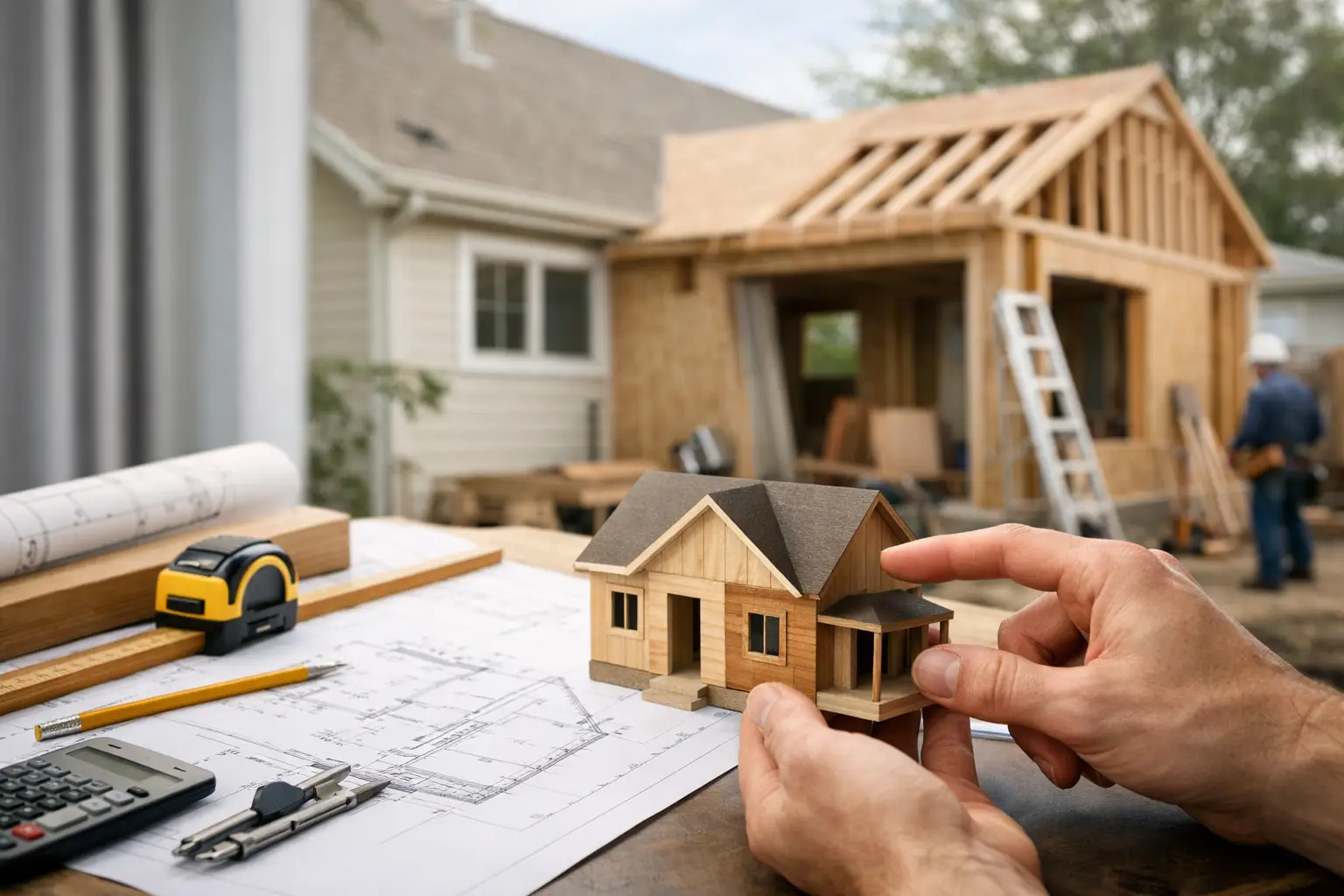
Most home additions do not go off track because of one dramatic mistake. They drift off course because early decisions were made too quickly, based on rough assumptions instead of a clear plan. If you’re trying to figure out how to plan home addition work the right way, the goal is not to start drawing plans as fast as possible. The goal is to make smart decisions before design fees, contractor bids, and construction commitments start piling up.
That early planning stage is where the biggest advantages are. It is also where homeowners are often asked to make decisions without enough context. How much space do you really need? Should you build out, build up, or rework what you already have? Will the addition improve the house, or make it feel awkward and overbuilt? Those are planning questions first, design questions second.
How to plan home addition projects with the right starting point
The best place to start is not with square footage. It is with the problem you are trying to solve.
A family may say they need 600 more square feet, but what they really need is a better kitchen, one private office, and a first-floor guest suite for aging parents. Another homeowner may think they need a second story, when a thoughtful rear addition and interior reconfiguration would solve the same issues for less cost and disruption. This is why experienced guidance matters early. A home addition should improve how the house lives, not just make it larger.
Start by defining what is not working in the house today. Be specific. Is the kitchen too small for how your family uses it? Is there no quiet place to work? Are stairs becoming a long-term concern? Are bedrooms in the wrong place? Once you understand the real issues, you can evaluate solutions more clearly.
This is also the point where it helps to separate needs from preferences. Natural light, better flow, and an added bedroom might be needs. Vaulted ceilings, a larger mudroom, and a separate beverage station might be preferences. Both matter, but they do not carry equal weight when trade-offs appear.
Think about the whole house, not just the addition
One of the most common planning mistakes is treating the addition like a standalone project. In reality, every addition changes the existing house.
A new family room affects circulation. A larger kitchen may require changes to dining space, windows, rooflines, and structure. A second-story addition can alter everything from stair placement to the scale of the front elevation. The question is never just, Can we add this space? The better question is, What happens to the rest of the house if we do?
This is where proportion and architectural fit become important. Good additions feel like they belong. They respect the scale, roof form, window rhythm, and character of the original home. Poorly planned additions often look bigger on paper than they feel in real life because they interrupt the balance of the house. That can affect curb appeal, resale, and your own satisfaction with the finished project.
In practical terms, look at sightlines, traffic flow, ceiling transitions, and how old and new spaces will connect. A home addition that solves one problem but creates three more is not a good investment.
Feasibility comes before enthusiasm
Before you get attached to a specific concept, test whether it is realistic.
Zoning and setback limitations may restrict where you can build. Lot coverage rules may limit the size of the addition. Easements, septic locations, flood zones, steep grades, and utility placement can all affect feasibility. If you are considering a second story, the existing structure may need substantial reinforcement. If you want to expand over a garage, foundation and framing conditions matter more than many homeowners expect.
Then there is budget. This is often where good ideas meet hard reality.
A first-floor bump-out may sound simpler than a detached addition, but if it requires major structural changes, mechanical relocation, and extensive kitchen renovation, the cost can rise quickly. A second story may preserve yard space but bring higher disruption, deeper structural work, and a longer construction schedule. There is no universal best option. It depends on the house, the site, and your priorities.
This is why a feasibility review early in the process can save real money. It helps you eliminate weak options before you pay to design them.
Set a budget range, not a wish number
Many homeowners start with a number they hope the project will cost. That is understandable, but it is not the same as planning.
A useful budget should include more than construction alone. It should account for design fees, engineering if needed, permitting, site work, interior finish decisions, contingencies, and temporary living costs if the project disrupts major parts of the home. If you are financing the work, carrying costs matter too.
Instead of asking, What is the cheapest way to do this, ask, What budget range is realistic for the type of addition we are considering? That gives you room to compare options honestly. It also helps you decide whether to phase the project, reduce scope, or pursue a different concept.
The most expensive planning mistake is moving forward with a design that only works if every bid comes in lower than expected. Hope is not a strategy. A realistic project roadmap is.
Decide who to hire, and when
Homeowners often ask whether they should talk to an architect, designer, or contractor first. The answer depends on how clear your direction is.
If you already know exactly what you want, your site is straightforward, and you understand the likely cost range, an architect or residential designer may be the right next step. But many homeowners are not there yet. They are still comparing options, testing feasibility, and trying to avoid designing the wrong project.
That is where independent planning advice can be valuable. Before hiring someone to draw plans or price construction, it helps to get experienced guidance on whether the concept makes sense in the first place. A good early planning process should help you clarify priorities, evaluate trade-offs, and identify likely trouble spots before formal design begins.
Once your direction is clear, your design professional can work more efficiently, and contractor pricing tends to be more meaningful because the scope is better defined.
How to plan a home addition without underestimating disruption
Construction affects daily life more than many homeowners expect, especially when the addition connects to kitchens, primary suites, or major circulation areas.
If your project will involve opening exterior walls, relocating plumbing, changing stairs, or tying into key living spaces, think through how you will live during construction. Will you need a temporary kitchen? Will family members lose access to bathrooms or bedrooms? Is school-year timing a factor? Are there weather-related issues in your region that may affect schedule risk?
This does not mean you should avoid an addition. It means disruption should be part of the planning conversation, not an unpleasant surprise after contracts are signed.
A realistic timeline matters just as much. Design, pricing, revisions, permits, contractor scheduling, and construction all take time. If your plan depends on a perfect schedule, build in more margin.
Compare options before you commit to one
Some of the best planning happens when homeowners are willing to look at two or three viable paths before settling on one.
You might compare a rear addition versus converting and expanding an existing garage. You might test a first-floor primary suite against a second-story bedroom addition. You might find that reworking interior space reduces how much new square footage you need.
That comparison stage is where costs, priorities, and design quality start to come into focus. It is also where expensive assumptions often get corrected. Bigger is not always better. More square footage does not automatically mean more value. And the most appealing idea at first glance is not always the one that fits the house best.
At Addition Doctors, this is often the stage where homeowners benefit most from a second opinion. Not because they need more opinions, but because they need better filters for the decisions ahead.
The plan should answer more than design questions
By the time you move into formal design or bid collection, you should be able to answer a few essential questions with confidence. What problem is the addition solving? Why is this approach better than the alternatives? What are the likely cost and disruption levels? How will the new space connect to the old house? And what are the biggest risks still left to manage?
If those answers are still fuzzy, more design work will not necessarily fix the problem. It may only make the wrong idea look more polished.
Thoughtful planning does not remove every surprise from a home addition project. Remodeling has too many variables for that. But it does improve your odds dramatically. It helps you spend money in the right order, ask better questions, and move forward with clearer expectations.
A well-planned addition should do more than add space. It should make your house work better, feel right, and look like it belonged there all along. That kind of result usually starts long before the first plan is drawn.