
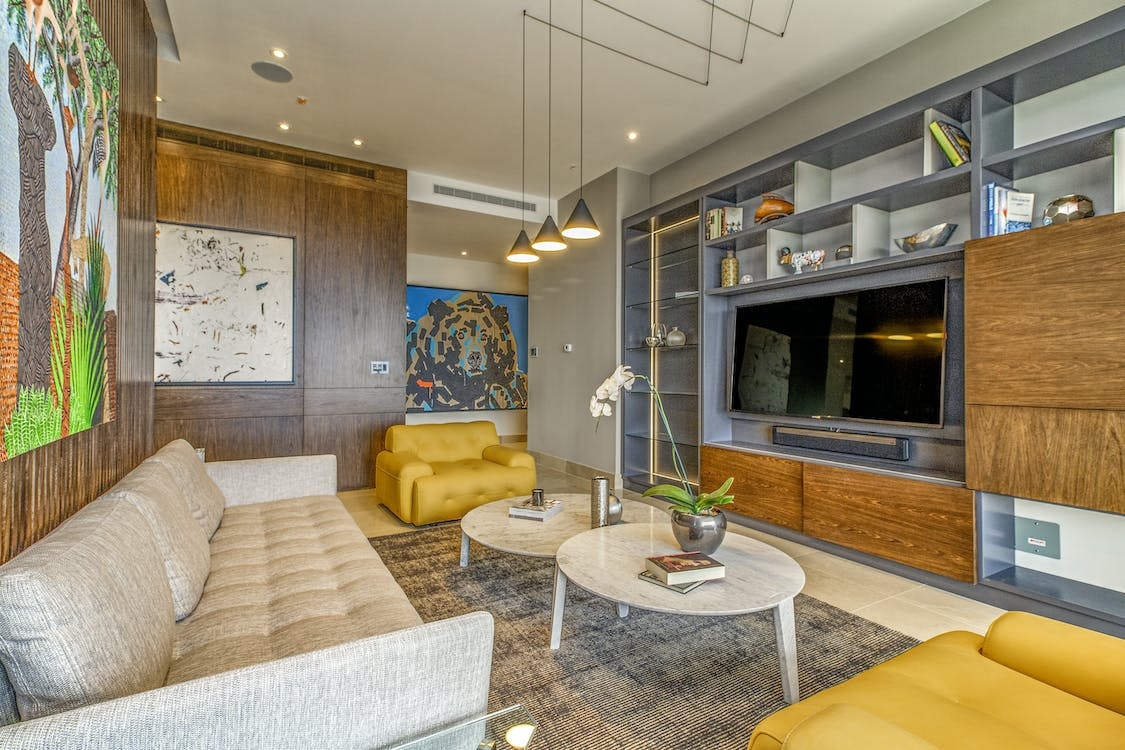
Your living room should be a reflection of your personality, comfort, and evolving lifestyle. Yet, many homeowners fall into the trap of buying matching furniture sets straight out of a showroom catalog, resulting in a space that feels flat, sterile, and uninspired. A true living room upgrade begins with mastering the art of mixing and matching living room furniture. By blending different eras, textures, and finishes, you can create a curated, layered, and deeply personal environment that embraces modern living room decor trends.
This comprehensive living room furniture upgrade guide explores how to combine varied design elements seamlessly while avoiding keyword stuffing, ensuring strong performance across modern search algorithms through thoughtful living room space planning.
Why Matchy is Out: The Power of Eclectic Design
For decades, buying a complete living room suite-matching sofa, loveseat, coffee table, and end tables—was the default choice. While convenient, it often strips a room of its character.
Embracing electric living room design ideas introduces visual tension and harmony. It tells a story, blending a vintage and contemporary furniture mix or rustic textures with sleek metals. The secret lies in deliberate contrast rather than random placement. When done right, learning how to combine different furniture styles makes your living room look like it was styled by an expert home stylist over years of mindful collection.
Core Strategies for Mixing Furniture Styles
To pull off a cohesive look without letting your space devolve into visual chaos, rely on structural and design anchors:
1. Establish a Unified Color Palette
When your furniture styles vary widely, color is your greatest unifier. Establishing a unified color palette living room setup consists of:
-
One dominant neutral (for large pieces like walls or a primary sofa).
-
Two secondary tones (for accent chairs, rugs, or window treatments).
-
One accent color (introduced via throw pillows, art, or decor objects). Even if a mid-century modern armchair and a traditional Chesterfield sofa have vastly different silhouettes, painting them or upholstering them within a shared tonal family will tie them together instantly.
2. Balance Eras and Scale
Opposites attract in interior design, but maintaining balance and proportion in interior design is crucial.
-
Pair a heavy, low-profile modern sectional with a lightweight, slender-legged vintage brass coffee table.
-
Combine a chunky rustic wooden media console with streamlined, minimalist armchairs, using accent chairs and sofas that complement each other’s heights. Keeping visual weight distributed evenly prevents one side of the room from feeling overcrowded or heavy.
3. Anchor with a Focal Point
Every well-designed room needs a clear anchor. Whether it is a dramatic fireplace, a large picture window, or a media wall, arrange your focal point living room arrangement so that all distinct pieces converse with this center of gravity rather than competing with it.
Textures and Finishes: The Secret Sauce of Depth
A room furnished in a single wood tone or a single fabric type feels flat to the human eye. Introduce depth through tactile contrast:
-
Wood Tones: You do not need to match all your wood furniture. However, mastering matching wood tones in furniture successfully means ensuring they share a similar undertone (either warm or cool) and breaking them up using upholstered pieces or rugs between them.
-
Textiles: Layer boucle, velvet, linen, and leather. Introducing textural contrast in decor- such as placing a leather accent chair next to a linen-upsolstered sofa – creates an instant sensory upgrade.
-
Metals: Do not fear mixing brushed brass, matte black, and polished chrome. Pick one dominant metal finish and use the others as subtle highlights alongside statement pieces for living room layouts, like an ornate metallic coffee table or a striking light fixture.
To achieve a truly cohesive living room layout, ensure that whether you are blending modern and traditional furniture or experimenting with bold layouts, every piece has breathing room.
(FAQs) Living Room Furniture
Q: Can I mix modern and antique furniture in the same living room?
A: Yes, anchoring them with a neutral rug or a unifying color palette creates a seamless bridge between different eras.
Q: Do all wood finishes in a living room need to match?
A: No, as long as their undertones (warm or cool) complement each other and they are separated by textiles or negative space.
Q: How many different furniture styles should I mix in one room?
A: Stick to two or three primary styles to avoid visual clutter and maintain a curated aesthetic.
Q: What is the easiest way to start mixing furniture if I currently have a matching set?
A: Swap out your matching coffee table or accent chairs for a statement vintage or contrasting piece first.
Q: How do I make mismatched furniture look intentional?
A: Repeat colors, textures, or metal finishes across multiple zones of the room to tie the distinct pieces together.