
Exploring Smart Home Technology: A Guide for Beginners

Smart home technology devices including smart speakers, lighting systems, thermostats, and security cameras for home automation setup
Are you curious about smart home technology but unsure where to start? You’re not alone. Millions of homeowners worldwide are discovering how smart home technology transforms their living spaces, making homes more efficient, secure, and convenient. Whether you’re interested in automating your lighting, controlling your thermostat remotely, or enhancing home security, understanding smart home technology for beginners is the first step toward joining the smart home revolution. This comprehensive guide explores the fundamentals of smart home automation, helps you understand the benefits, and provides practical advice for getting started with affordable solutions. By the end, you’ll have the knowledge to implement smart home technology that fits your lifestyle and budget.

What is Smart Home Technology?

Smart home technology refers to devices and systems that connect to the internet and can be controlled remotely or automated based on preset conditions. These interconnected devices communicate with each other through a central hub or network, creating an integrated ecosystem that responds to your needs and preferences. Common smart home devices include:
  • Smart speakers and voice assistants
  • Intelligent thermostats
  • Smart lighting systems
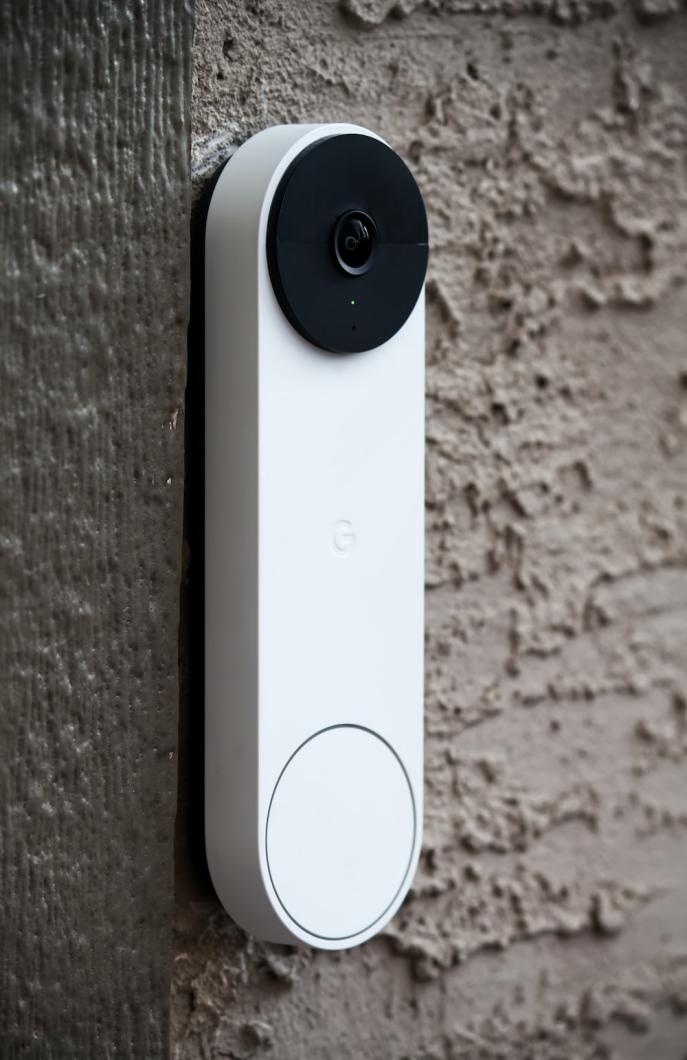
  • Security cameras and smart locks
  • Connected appliances
  • Motion sensors and automation systems
The beauty of smart home automation for beginners lies in its flexibility. You don’t need to install everything at once. Start with basic beginner smart home technology devices and expand as you become more comfortable with the systems.

Understanding Smart Home Technology Benefits

Before investing in smart home technology, understanding its advantages helps justify the investment and guides your purchasing decisions. Energy Efficiency One of the most compelling reasons to adopt smart home automation is energy savings. Intelligent thermostats learn your schedule and preferences, automatically adjusting temperatures when you’re away or sleeping. Smart lighting systems use motion sensors to ensure lights only operate when spaces are occupied. These smart home technology for beginners solutions typically reduce energy consumption by 10-23%, translating to significant monthly savings. Enhanced Security Smart home technology dramatically improves home security. Smart locks allow keyless entry and remote access monitoring. Security cameras with real-time alerts notify you instantly of suspicious activity. Motion sensors can trigger lights or alert you to unexpected movement. These integrated security features provide peace of mind whether you’re at work or traveling. Convenience and Comfort Imagine controlling your entire home from your smartphone or voice commands. Adjust lighting and temperature, lock doors, and monitor your home without lifting a finger. This smart home automation convenience becomes especially valuable during morning routines, when entertaining guests, or during late-night adjustments. Increased Home Value Homes equipped with smart home technology command higher resale values. Buyers increasingly expect modern conveniences and energy-efficient systems. Installing smart home devices positions your property competitively in today’s real estate market.

Getting Started with Smart Home Technology: The Basics

Starting your smart home technology journey requires understanding essential components and choosing the right entry point. Choose Your Hub or Ecosystem Most smart home automation systems revolve around a central hub or ecosystem. Popular options include:
  • Amazon Alexa: The most popular voice assistant with extensive device compatibility
  • Google Home: Seamless integration with Google services and strong automation capabilities
  • Apple HomeKit: Premium option offering excellent security and privacy features
  • Samsung SmartThings: Open-platform hub supporting numerous device brands
For smart home technology for beginners, starting with Amazon Alexa or Google Home offers the broadest device selection and most affordable entry points. These voice assistants cost $30-100 and expand functionality as you add compatible devices. Start with Essential Devices Rather than overwhelming yourself with numerous purchases, begin with devices that deliver immediate value: Smart Speakers: These serve as your ecosystem’s brain, enabling voice control and automation routines. A basic smart speaker ($30-50) can control lights, play music, check weather, and manage your schedule. Smart Lighting: Connected bulbs or switches let you control lighting from anywhere. Adjust brightness, color, or schedule lights to turn on/off automatically. This beginner smart home technology typically costs $15-40 per bulb. Smart Thermostats: These intelligent devices learn your temperature preferences and schedule, automatically optimizing heating and cooling. Quality smart thermostats ($200-300) typically pay for themselves through energy savings within 2-3 years. Smart Plugs: Inexpensive devices ($10-20) that convert regular appliances into smart devices. Monitor power consumption or schedule devices to turn on/off automatically.

Essential Smart Home Technology Features for Beginners

Understanding key features helps you evaluate smart home devices and choose appropriate solutions. Voice Control Voice commands through smart home technology hubs enable hands-free control. Simply say “Alexa, turn on the living room lights” or “Google, set the temperature to 72 degrees.” This smart home automation feature proves invaluable during cooking, exercising, or when your hands are full. Remote Access Smartphone apps allow controlling your home from anywhere. Left your garage door open? Lock it remotely. Want to preheat your home before arriving? Adjust the thermostat from your car. This smart home technology for beginners feature provides unmatched convenience and peace of mind. Automation and Routines Create automated routines that execute multiple actions simultaneously. Your morning routine could automatically brew coffee, turn on lights, start your shower, and play news updates. Evening routines might lock doors, turn off lights, and adjust thermostats. These smart home automation routines save time and energy. Compatibility and Integration Choose devices that work seamlessly together. Most modern smart home technology supports multiple platforms, but prioritizing devices within your chosen ecosystem ensures better integration and fewer compatibility issues.

Common Smart Home Technology Mistakes Beginners Make

Learning from others’ experiences accelerates your smart home automation success. Overcomplicating Initial Setup Many beginners purchase too many devices at once. Start simple with 2-3 essential devices. Gain comfort with basic smart home technology, then expand gradually. This approach prevents overwhelm and helps identify which features truly enhance your lifestyle. Ignoring Security Considerations Smart home devices create potential security vulnerabilities. Use strong, unique passwords for all accounts. Enable two-factor authentication when available. Keep devices updated with latest firmware. Choose brands with strong privacy reputations. Choosing Incompatible Devices Before purchasing smart home technology, verify compatibility with your chosen ecosystem. Some devices only work with specific platforms. Research thoroughly to avoid purchasing incompatible devices. Forgetting About Automation Potential Many beginners use smart home automation manually without exploring automation possibilities. Take time to create routines and automations that genuinely simplify your life. These features represent the true value of smart home technology.

The Future of Smart Home Technology

Smart home technology for beginners continues evolving rapidly. Artificial intelligence increasingly powers these systems, learning your preferences and anticipating needs. 5G connectivity enables faster, more reliable communication. Integration between devices becomes increasingly seamless. Experts predict that within five years, smart homes will become standard rather than luxury features. Early adoption positions you to enjoy benefits immediately while avoiding obsolescence through continuous ecosystem improvements.

Conclusion

Exploring smart home technology doesn’t require technical expertise or massive budgets. Start with a smart speaker, add complementary devices gradually, and discover how smart home automation improves daily life. Whether motivated by energy savings, enhanced security, or pure convenience, smart home technology offers benefits worth exploring. The best time to begin your smart home technology journey is now. Start small, stay informed, and build your dream connected home gradually. With countless beginner smart home technology options available, your perfect entry point awaits. Ready to transform your home? Contact us today to learn how smart home technology can integrate with your home renovation projects, creating a truly modern living space.

FAQs – Smart Home Technology for Beginners

Q1. What’s the cheapest way to start with smart home technology?

Begin with an affordable smart speaker ($30-50) and smart plugs ($10-20) to control existing appliances before investing in more expensive smart devices.

Q2. Do all smart home devices work together?

Not all devices are compatible with all platforms; always verify compatibility with your chosen ecosystem (Alexa, Google Home, or Apple HomeKit) before purchasing.

Q3. Is smart home technology secure?

Yes, when properly configured with strong passwords and regular updates; however, security depends on implementing best practices and choosing reputable brands.

Q4. How much does a complete smart home setup cost?

Basic smart home setups start around $100-200, while comprehensive systems can cost $2,000+; start small and expand gradually based on budget and needs.

Q5. What’s the best smart home technology for beginners?

Start with a smart speaker hub paired with smart lighting and a smart thermostat for maximum convenience and energy savings impact.