
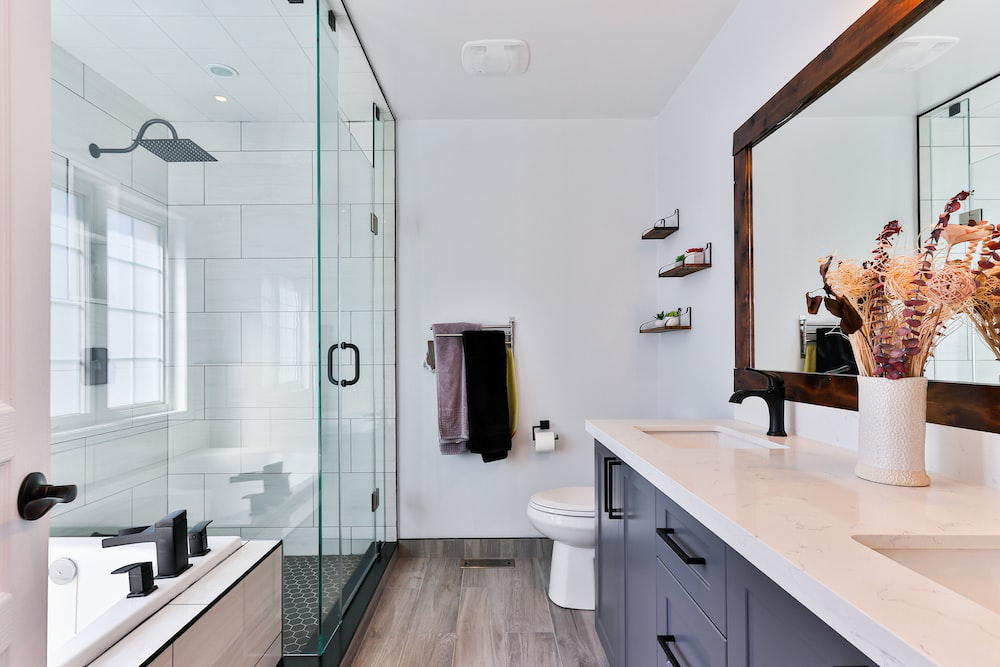
When it comes to home design, trends come and go with the changing seasons. Sleek ultra-modern minimalism or ultra-bright neon aesthetics can quickly feel dated. However, true architectural grace never loses its appeal. Designing a space that refuses to age requires a thoughtful approach to layout, materials, and hardware. A well-executed traditional bathroom design ideas framework ensures that your room remains sophisticated, functional, and visually striking for decades to come, protecting your investment and daily comfort.
The Philosophy of Enduring Style
Creating a space that defies fleeting fads starts with understanding what makes a space feel permanent rather than temporary. Modern design often relies on high-gloss synthetics and hyper-trendy accents that age poorly. In contrast, classic aesthetics focus on symmetry, tactile quality, and architectural integrity.
When planning a classic bathroom renovation guide mindset, homeowners must look past temporary social media fads and focus on foundational elements. The goal is to build a sanctuary where every detail—from the floor tiles to the ceiling lines-feels intentional, balanced, and rooted in historical elegance adapted for modern luxury.
Architectural Foundations and Layouts
A classic bathroom relies heavily on the structural architecture of the room itself. Rather than depending entirely on decor objects, the room’s permanent bones carry the weight of its elegance.
Incorporating architectural moldings in bathrooms-such as deep crown molding, classic baseboards, or picture rail paneling-instantly adds a layer of historic depth. Pair these details with subway tile and wainscoting along the lower half of the walls to introduce clean lines and protective texture. This traditional layering prevents large, empty wall spaces from feeling cold or sterile, establishing a warm and structured foundation.
Fixtures That Defy Decades
The hardware and plumbing fixtures you choose serve as the jewelry of the space. Modern, mass-produced plastic-core fixtures often degrade or look dated within a few years. Classic design demands substance and craftsmanship.
Investing in timeless bathroom fixtures and finishes means opting for high-quality materials that develop a gorgeous patina over time. Think of deep, inviting freestanding bathtubs acting as the centerpiece of the room, accompanied by classic pedestal sinks and clawfoot tubs that recall early 20th-century craftsmanship. For hardware, choosing vintage hardware and unlacquered brass or polished nickel ensures that the metal accents age gracefully alongside the home.
Surfaces and Color Palettes
Color and texture dictate how a room feels the moment you step inside. Traditional spaces favor calm, restrained palettes that soothe the senses rather than overwhelming them.
Establishing a serene neutral color palette bathroom environment allows architectural details to shine without distraction. Ground the space using durable marble countertops and flooring, which offer natural veining and organic variations that synthetic materials can never replicate. To add geometric interest underfoot without breaking the classic motif, incorporate black and white mosaic tile floors arranged in traditional basketweave or hexagonal patterns.
Vanity Design and Storage Solutions
Storage is essential in any functional washroom, but bulky, ultra-modern flat-panel cabinets can disrupt a traditional ambiance.
Opting for vintage vanity designs featuring furniture-style legs, raised-panel doors, and detailed cabinetry hardware bridges the gap between old-world charm and modern utility. Pair these vanities with sophisticated lighting layers, utilizing classic lighting and sconces-such as milk-glass shades or polished metal wall fixtures flanking the mirror-to cast a flattering, warm glow across the room.
Curating Your Master Transformation
Whether you are executing an elegant master bathroom upgrade or refreshing a modest guest powder room, the secret lies in seamless integration. Every choice should feel like it has always belonged in the house.
When focusing on creating a permanent classic bathroom, avoid cluttering surfaces with short-lived decor. Instead, let the quality of the materials do the talking. A thoughtful balance of proportions, high-grade stone, and heritage-inspired silhouettes ensures a space that looks just as breathtaking twenty years from now as it does today.
The Secret to Long-Term Interior Durability
Achieving a bathroom environment that withstands the test of time extends beyond visual aesthetics—it requires prioritizing material resilience and daily practicality. Traditional styling inherently supports longevity because it avoids fragile trends in favor of time-tested construction methods. Selecting materials that handle moisture gracefully, such as porcelain tile, natural stone treated with penetrating sealers, and solid wood vanities finished with moisture-resistant topcoats, ensures your investment remains pristine. By combining historical elegance with high-performance modern waterproofing and ventilation, you create a sanctuary that honors classical design principles while meeting the rigorous demands of contemporary everyday use.For more professional insights and project breakdowns, check out this expert design contributor profile to explore further remodeling tips.
Frequently Asked Questions (FAQs)
Q: What defines a truly classic bathroom design?
A: A classic bathroom features symmetrical layouts, neutral color palettes, natural stone surfaces, and traditional architectural moldings that do not rely on short-lived modern trends.
Q: How can I make a modern bathroom look more traditional?
A: You can introduce classic elements by adding wainscoting, swapping modern cabinet hardware for unlacquered brass or polished nickel, and incorporating a vintage-style furniture vanity.
Q: Are marble surfaces practical for everyday bathroom use?
A: Yes, while marble requires regular sealing to prevent staining, its timeless aesthetic, natural veining, and enduring elegance make it a staple in traditional design.
Q: What lighting works best in a classic bathroom?
A: Wall sconces with glass shades placed on either side of the vanity mirror provide balanced, flattering illumination while reinforcing a heritage aesthetic.
Q: How do I prevent a traditional bathroom from feeling outdated?
A: Balance historical fixtures with modern plumbing performance, ensure proper ventilation, and keep the color scheme light and neutral to maintain a fresh, airy atmosphere.